Grow Your Own Bay Leaf Tree: Step‑by‑Step Home Gardening Guide
For home gardeners who love cooking with fresh herbs, the bay leaf tree (Laurus nobilis) is one of the most rewarding plants you can grow. Its glossy evergreen leaves, aromatic fragrance, and culinary versatility make it a standout addition to any indoor or outdoor garden. Even better, bay trees are surprisingly low‑maintenance once established, making them ideal for beginners and experienced gardeners alike. In this comprehensive guide, we’ll explore everything you need to know about planting, caring for, pruning, and harvesting your own bay leaf tree at home
Table of Contents
What Makes the Bay Leaf Tree Special?
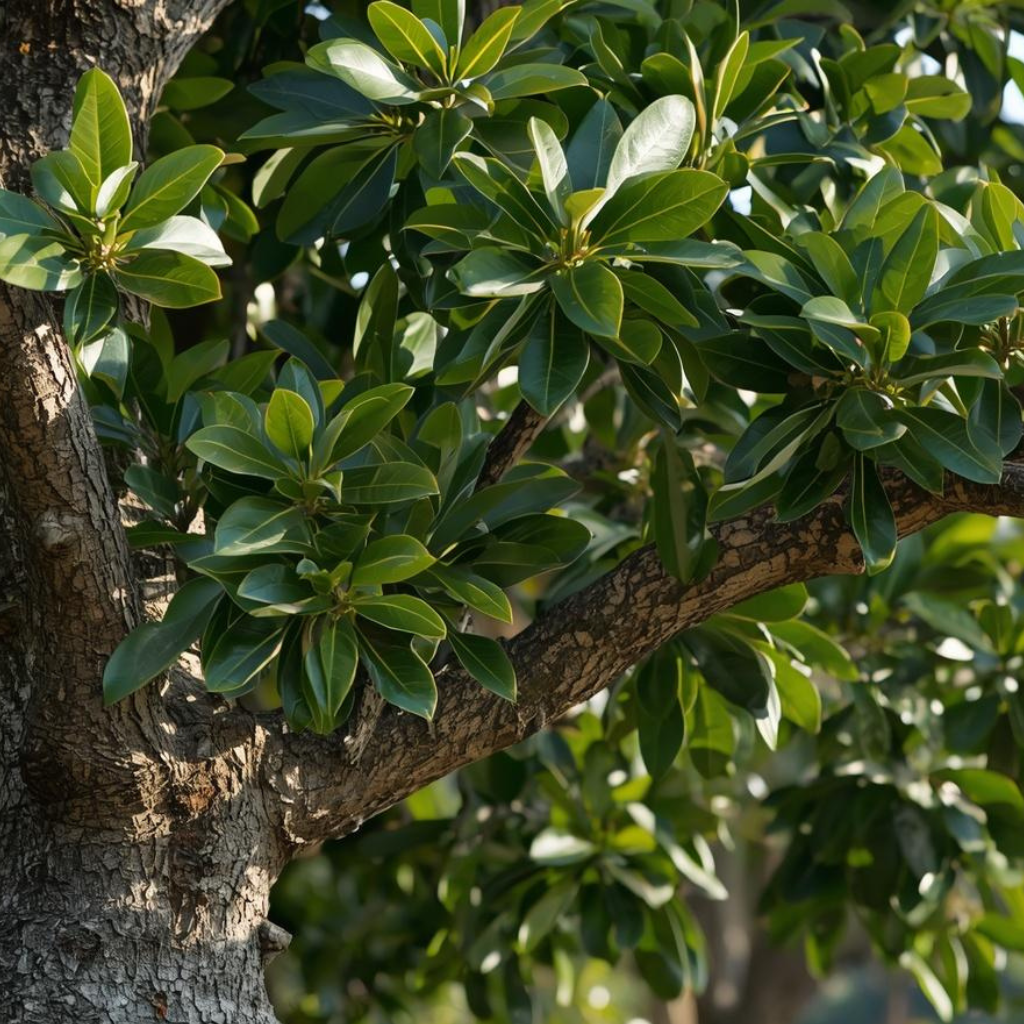
The bay leaf tree—also known as sweet bay, true laurel, or Grecian laurel—is native to the Mediterranean region. Historically, it symbolized victory and honor, famously used to crown ancient Greek scholars and athletes. Today, it’s best known for its culinary uses, adding depth and aroma to soups, stews, sauces, and marinades.
Beyond its kitchen value, the bay tree is prized for its:
Evergreen foliage that stays lush year‑round
Slow, manageable growth, making it easy to shape
Adaptability to both pots and garden beds
Longevity, often living for decades with proper care
Whether you’re growing it indoors as a decorative potted plant or outdoors as a small landscape tree, the bay leaf tree brings beauty and practicality to your space.
Ideal Growing Conditions for Bay Trees
Bay trees thrive when their environment mimics their Mediterranean origins: warm, bright, and well‑drained. Understanding their preferred conditions is the key to long‑term success.
1. Light Requirement
Bay trees love bright, indirect sunlight. Outdoors, they flourish in full sun but can tolerate partial shade. Indoors, place your bay tree near a south‑ or west‑facing window where it can receive several hours of bright light each day.
If your plant becomes leggy or sparse, it’s likely not getting enough light. Supplemental grow lights can help indoor bay trees stay full and healthy.
2. Temperature & Climate
Bay trees prefer mild climates and grow best in USDA zones 8–11. They can tolerate short dips to around 20°F, but prolonged freezing temperatures can damage or kill the plant.
If you live in a colder region:
Grow your bay tree in a pot
Keep it outdoors in warm months
Bring it inside before the first frost
Indoors, bay trees appreciate stable temperatures between 60°F and 75°F.
3. Soil Preferences
Bay trees dislike soggy soil. Use a well‑draining potting mix, ideally one formulated for citrus or Mediterranean plants. Adding perlite or coarse sand improves drainage and prevents root rot.
4. Watering Needs
Bay trees prefer deep, infrequent watering. Allow the top inch of soil to dry out before watering again. Overwatering is the most common cause of problems, so err on the side of caution.
Signs of overwatering:
Yellowing leaves
Drooping despite moist soil
Mushy roots
Signs of underwatering:
Crispy leaf edges
Slow growth
Dry, compacted soil
How to Plant a Bay Leaf Tree
Whether you’re planting in a pot or directly in the ground, proper setup ensures your bay tree thrives for years.
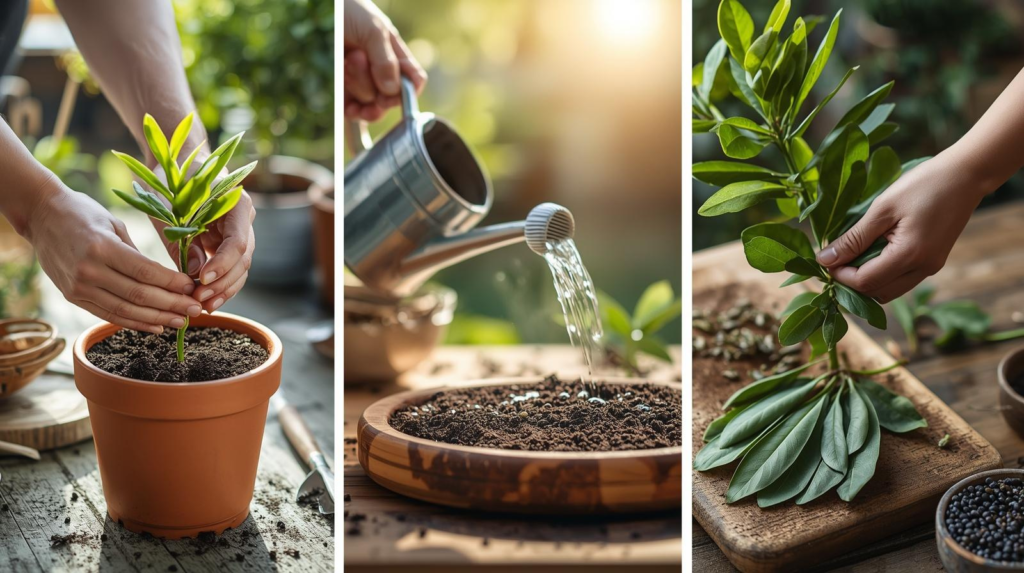
1. Planting in a Pot
Growing bay trees in containers is popular because it allows for easy movement and climate control.
Steps for success:
Choose a pot with drainage holes
Use a high‑quality, well‑draining potting mix
Start with a pot slightly larger than the root ball
Repot every 2–3 years as the plant grows
Terracotta pots are ideal because they allow excess moisture to evaporate.
2. Planting in the Ground
If you live in a warm climate, planting your bay tree outdoors can result in a beautiful, full‑sized shrub or small tree.
Tips:
Select a sunny, sheltered location
Avoid low areas where water collects
Amend the soil with compost for better drainage
Space multiple trees 4–5 feet apart
Bay trees grow slowly, but with time, they can reach heights of 10–30 feet outdoors.
Pruning and Shaping Your Bay Tree
One of the most enjoyable aspects of growing a bay tree is shaping it. Bay trees respond exceptionally well to pruning and can be trained into:
Bushy shrubs
Single‑stem patio trees
Topiaries
Decorative cones or spheres
When to Prune
The best time to prune is late spring to early summer, when the plant is actively growing.
How to Prune
Remove dead or crossing branches
Trim lightly to maintain shape
Avoid heavy pruning in winter
Regular pruning encourages dense, attractive growth and keeps your plant manageable.
Harvesting Bay Leaves.
One of the biggest perks of growing your own bay tree is having fresh bay leaves at your fingertips.
You can harvest bay leaves year‑round, but the flavor is strongest in summer when the plant is actively growing.
How to Harvest
Choose mature, dark green leaves
Pick individually or cut small stems
Rinse and pat dry
Using Fresh vs. Dried Leaves
Fresh bay leaves have a milder flavor, while dried leaves are more concentrated. To dry them:
Lay leaves flat on a tray
Keep in a warm, dry place for 1–2 weeks
Store in an airtight container
Properly dried bay leaves can last up to a year.
Common Problems and How to Fix Them
Even though bay trees are hardy, they can occasionally run into issues.
Yellowing Leaves
Usually caused by overwatering or poor drainage. Allow soil to dry more thoroughly and check for root rot.
Pests
Bay trees may attract:
Scale
Aphids
Mealybugs
Treat with neem oil or insecticidal soap. Wiping leaves with a damp cloth also helps.
Slow Growth
Bay trees naturally grow slowly, but insufficient light or nutrients can slow them further. A balanced, slow‑release fertilizer in spring can boost growth.
Why Every Home Garden Should Have a Bay Leaf Tree
A bay leaf tree is more than just a culinary herb—it’s a long‑lasting, elegant, and practical plant that enhances both your home and your cooking. With minimal care, it provides:
Year‑round greenery
Fresh, aromatic leaves
A beautiful ornamental shape
A touch of Mediterranean charm
Whether you’re a seasoned gardener or just starting your plant journey, the bay leaf tree is a rewarding and low‑maintenance addition to your collection.
Frequently Asked Questions
Bay leaves add a subtle, aromatic depth to food. They don’t overpower a dish—instead, they enhance other flavors by adding gentle herbal notes. When simmered in soups, stews, sauces, or braises, bay leaves release essential oils that create a richer, more complex flavor profile.
Bay leaves act as a background flavor booster. They:
Add mild herbal, slightly floral notes
Reduce the “heaviness” of rich dishes
Balance acidity in tomato‑based recipes
Enhance savory flavors in meats, beans, and broths
Think of bay leaves as the “quiet ingredient” that makes everything taste better without drawing attention to itself.
A bay leaf is the dried or fresh leaf of the bay laurel tree (Laurus nobilis), an evergreen herb native to the Mediterranean. It’s used worldwide to flavor soups, stews, sauces, rice dishes, and marinades.
Bay leaves are valued for both culinary and traditional wellness uses.
Culinary Benefits
Adds depth to soups, stews, and sauces
Enhances meat, poultry, and seafood dishes
Improves flavor in beans and lentils
Great for slow‑cooked meals
Traditional Uses (General Information)
People have historically used bay leaf tea or steam for:
Mild digestive comfort
Relaxation
Aromatic benefits
(Always consult a healthcare professional for medical concerns.)
You can eat a bay leaf, but you shouldn’t.
Bay leaves stay stiff even after long cooking. They don’t soften like basil or spinach, which means they can be sharp and unpleasant to chew. For safety and texture reasons, bay leaves are removed before serving.
Here’s a simple, general method for making bay leaf tea:
Ingredients
2–3 dried bay leaves
1–2 cups hot water
Optional: honey, lemon, cinnamon
Instructions
Bring water to a boil.
Add bay leaves and reduce to a simmer for 5–10 minutes.
Remove leaves and pour into a cup.
Add honey or lemon if desired.
This creates a warm, aromatic herbal tea with a mild flavor.
If someone accidentally eats a bay leaf, it’s usually not harmful, but it can be uncomfortable. Because bay leaves stay tough and rigid, they can:
Be difficult to chew
Causes throat irritation
Pose a small choking hazard
This is why recipes always recommend removing the leaf before serving.
Bay leaves have a mild, herbal flavor with hints of:
Pine
Tea
Clove
Pepper
Floral notes
They’re not meant to be eaten directly—their flavor is released slowly during cooking.
Bay leaves add a subtle, savory, aromatic flavor that rounds out a dish. The best way to describe it is:
A gentle blend of herbal, slightly woody, slightly floral notes that deepen the overall flavor without standing out on their own.
They don’t taste strong or spicy—they simply make everything else taste better.