Calendula Flower: Benefits, Uses, and Natural Healing Properties
Calendula, commonly known as Pot Marigold, is a vibrant flowering herb recognized for its medicinal properties. With its bright orange and yellow petals, calendula not only adds beauty to gardens and homes but also offers a wide range of health and skincare benefits. For centuries, this herb has been a staple in traditional medicine, especially for treating skin ailments, boosting immunity, and promoting general wellness.
In this blog post, we will explore what calendula is, its health benefits, how to use it, and precautions to keep in mind.
Table of Contents
What Is Calendula Flower?
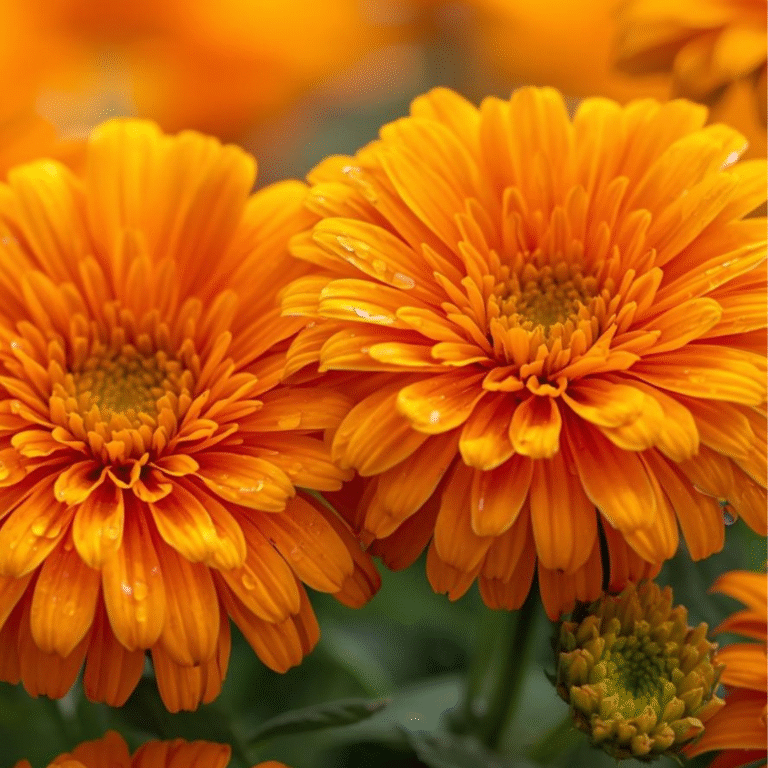
Calendula (Calendula officinalis) is a flowering plant that belongs to the Asteraceae family. Native to Southern Europe, calendula is now grown worldwide for its medicinal and decorative uses. The plant has bright petals ranging from yellow to deep orange, and its flowers are packed with antioxidants, flavonoids, and essential oils that provide numerous therapeutic benefits.
Calendula is commonly used in:
Herbal teas
Oils
Creams
Ointments
Natural home remedies
Its gentle yet effective properties make it suitable for both adults and children.
Health Benefits of Calendula Flower
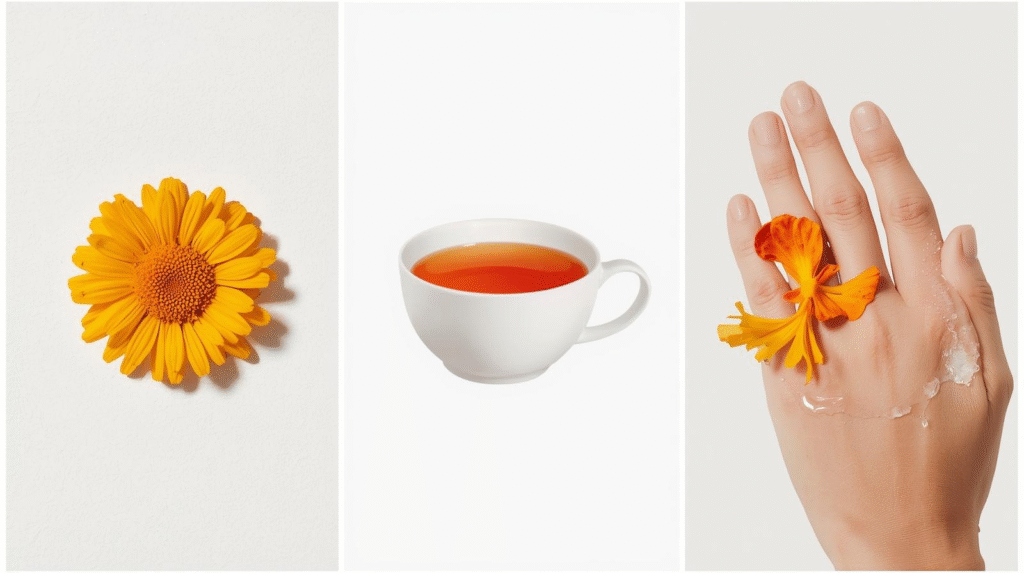
Calendula is often called a healing herb because of its ability to support skin, digestion, immunity, and overall wellness. Let’s explore its main benefits in detail:
1. Promotes Wound Healing
One of the most well-known benefits of calendula is its ability to heal minor wounds and cuts. Calendula stimulates the production of collagen, which helps repair damaged skin tissue quickly. Applying calendula oil or cream on minor cuts, burns, or scrapes can:
Reduce healing time
Prevent infections
Minimize scarring
This property makes calendula a favorite ingredient in herbal first aid kits.
2. Soothes Skin Irritation
Calendula is gentle on the skin and works as a natural anti-inflammatory agent. It is especially beneficial for:
Redness
Rashes
Irritation caused by dryness or allergies
Many herbal skincare products use calendula extract to calm sensitive skin, making it ideal for both adults and children.
3. Helps with Acne and Eczema
Thanks to its antibacterial and anti-inflammatory properties, calendula is effective for acne-prone skin. Regular application of calendula-based creams or oils can:
Reduce acne breakouts
Minimize inflammation
Soothe eczema flare-ups
Calendula also helps maintain healthy skin by clearing toxins and improving circulation to the affected areas.
4. Natural Anti-Inflammatory Herb
Inflammation can affect not only the skin but also the joints and muscles. Calendula’s anti-inflammatory compounds can help reduce:
Skin swelling
Muscle irritation
Minor joint pain
This makes calendula useful for topical applications and massage oils aimed at relieving inflammation naturally.
5. Supports Digestive Health
Calendula can also benefit the digestive system. Consuming calendula tea helps:
Improve digestion
Reduce stomach irritation
Calm, mild gastric discomfort
Its mild antibacterial properties can also support gut health and protect against certain infections.
6. Boosts Immune System
Rich in antioxidants, calendula helps strengthen the immune system. It fights free radicals, protects the body from seasonal infections, and promotes overall wellness. Regular use of calendula in teas or dietary supplements can help:
Reduce the risk of infections
Improve energy levels
Support natural detoxification
7. Promotes Eye and Oral Health
Calendula flowers have mild antimicrobial properties that make them useful for:
Reducing gum inflammation and soreness
Treating minor eye irritations (when used in a diluted form)
Calendula-based mouthwashes and eye compresses are common in herbal medicine practices.
How to Use Calendula Flower
There are multiple ways to harness the benefits of calendula:
1. Calendula Oil
Use as a massage oil or apply to minor wounds
Relieves dryness, irritation, and inflammation
2. Calendula Tea
Boil dried petals in hot water for 5–10 minutes
Supports digestion, immunity, and overall wellness
3. Calendula Cream or Ointment
Apply externally for acne, eczema, rashes, and minor wounds
Can be used daily for sensitive or dry skin
4. Homemade Remedies
Mix dried petals with honey or coconut oil for a soothing skin paste
Add petals to bathwater for relaxation and skin nourishment
Precautions
While calendula is generally safe, some precautions are necessary:
Do a patch test before applying topically
Avoid internal consumption during pregnancy or breastfeeding without consulting a doctor
People allergic to daisies or marigolds should use calendula with caution
Final Thoughts
Calendula flower is a versatile and powerful herbal remedy. Its combination of healing, soothing, and protective properties makes it an essential plant for natural health enthusiasts. Whether used in teas, oils, creams, or as a decorative plant, calendula contributes to overall wellness while adding a splash of color to your home.
If you are looking for natural ways to enhance skin health, boost immunity, or soothe minor ailments, calendula is an excellent addition to your daily routine.
Frequently Asked Questions
Calendula is usually grown as an annual, but in mild climates, it can self-seed and return the next year.
Yes, calendula petals are edible and can be added to salads, teas, or desserts.
Traditionally, calendula is believed to attract positive energy, protection, and prosperity in rituals.
People allergic to daisies or marigolds, pregnant women, or those with certain medical conditions should avoid it.
Yes, calendula can act as a natural pest repellent in gardens.
Calendula is mildly calming but generally does not cause drowsiness in normal use.
Avoid planting beans and brassicas near marigolds, as they may inhibit growth.
A really good blog and me back again.