Mint is one of the most popular and easy‑to‑grow herbs in the world. Whether you enjoy it in teas, salads, desserts, or simply love its refreshing fragrance, mint is a plant that rewards you with fast growth and endless harvests. But even though mint is hardy, it still needs proper care to stay healthy, bushy, and flavorful. If you’re wondering how to take care of a mint plant, this guide will walk you through everything you need to know.
This detailed guide covers everything you need to know about growing mint successfully — from choosing the right variety to watering, pruning, solving common problems, and more. By understanding how to take care of a mint plant the right way, you can enjoy fresh, aromatic mint all year long.
Table of Contents
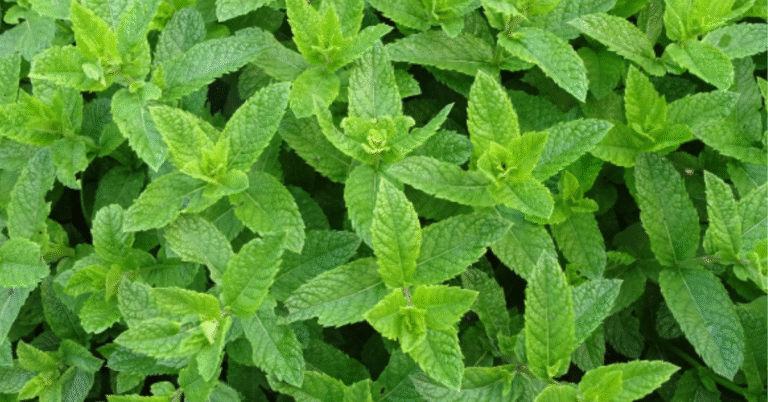
1. Choosing the Right Mint Variety
Before you start growing mint, it’s important to choose the variety that best suits your needs. Mint comes in many types, each with its own aroma, flavor, and uses.
Popular Mint Varieties
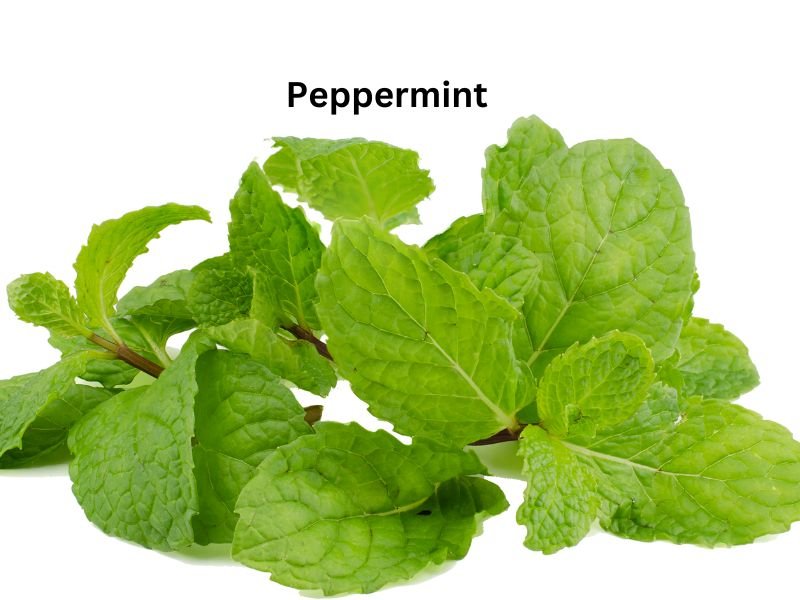
1. Peppermint Peppermint has a strong, cooling flavor and is perfect for teas, detox drinks, and medicinal uses. It contains high menthol content, giving it a sharp, refreshing taste.
2. Spearmint Spearmint is milder and slightly sweet. It’s commonly used in mojitos, salads, chutneys, and Middle Eastern dishes. This is the most beginner‑friendly variety.
3. Chocolate Mint This unique variety smells like chocolate with a minty twist. It’s great for desserts, garnishing, and flavored drinks.
4. Apple Mint Apple mint has soft, fuzzy leaves and a fruity aroma. It’s ideal for herbal teas and decorative gardening.
5. Lemon Mint With a citrusy fragrance, lemon mint is perfect for summer drinks and flavored water.
Choosing the right variety ensures you get the flavor and aroma you want from your plant.


2. Finding the Perfect Spot for Your Mint Plant
Mint is hardy, but where you place it affects how well it grows.
Light Requirements
Mint grows best in:
-
Partial sunlight
-
Indirect bright light
-
4–6 hours of sunlight per day
If you’re growing mint indoors, place it near a bright window that lets in filtered sunlight.
Soil Requirements
Mint prefers:
-
Well‑draining soil
-
Nutrient‑rich soil
-
Slightly moist conditions
A good soil mix includes:
-
50% garden soil
-
30% compost
-
20% cocopeat or sand for drainage
Container vs Garden
Mint spreads aggressively through underground runners. If planted in the garden, it can take over the entire area.
Best option: Grow mint in a pot or container. This keeps it controlled and easy to manage.
If planting in the ground, use barriers to prevent spreading.
3. Watering Mint the Right Way
Mint loves moisture, but too much water can cause root rot.
Watering Tips
-
Keep the soil evenly moist, not soggy.
-
Water 2–3 times per week in normal weather.
-
In hot climates, you may need to water daily.
-
Use the finger test: If the top 1 inch of soil feels dry, it’s time to water.
Drainage Matters
Mint hates standing water. Always use pots with drainage holes to prevent waterlogging.
If your mint leaves start turning yellow, it’s often a sign of overwatering.
4. How to Keep Your Mint Plant Bushy and Healthy
Mint grows fast, but without proper pruning, it can become tall, thin, and leggy.
Pruning Tips
-
Pinch off the top leaves every 1–2 weeks.
-
Harvest regularly — mint grows better when used.
-
If the plant becomes too tall, cut back one‑third of the stems.
-
Remove flower buds immediately. Flowering reduces the flavor of the leaves.
Harvesting Tips
-
Harvest in the morning for the best flavor.
-
Never remove more than 30% of the plant at once.
-
Use clean scissors to avoid damaging the stems.
Regular pruning encourages new growth and keeps the plant full and bushy.
5. Common Mint Problems and How to Fix Them
Even though mint is easy to grow, it can face a few issues. Here’s how to identify and fix them.
1. Yellow Leaves
Cause: Overwatering
Fix:
-
Reduce watering
-
Improve drainage
-
Let the soil dry slightly before watering again
2. Leggy, Thin Growth
Cause: Not enough sunlight.
Fix:
-
Move the plant to a brighter spot
-
Prune regularly to encourage bushiness
3. Brown Leaf Tips
Cause: Underwatering or dry indoor air.
Fix:
-
Increase watering frequency
-
Use a humidity tray indoors
4. Pests (Aphids, Spider Mites, Whiteflies)
Fix:
-
Spray neem oil weekly
-
Use a mild soap‑water spray
-
Keep the plant clean and dust‑free
5. Root Rot
Cause: Waterlogged soil
Fix:
-
Repot the plant in fresh, well‑draining soil
-
Reduce watering
6. Best Companion Plants for Mint
Mint naturally repels pests, making it a great companion plant.
Best Plants to Grow with Mint
-
Tomatoes – Mint helps deter insects.
-
Cabbage – Protects from cabbage moths.
-
Carrots – Improves growth and flavor.
Plants to Avoid Near Mint
-
Parsley
-
Basil
These herbs compete with mint for nutrients and space.

Final Thoughts
Mint is one of the easiest and most rewarding herbs to grow. With the right sunlight, proper watering, and regular pruning, your mint plant will stay healthy, bushy, and full of flavor all year long. Whether you grow it indoors or outdoors, mint adapts quickly and provides endless harvests for your teas, drinks, salads, and desserts.
If you’re a beginner gardener, mint is the perfect plant to start with. It grows fast, smells amazing, and requires very little effort